ERP and Forecasting for Seasonal Demand Peaks
Seasonal demand can expose weak forecasting fast. This article looks at how ERP helps distributors plan ahead instead of reacting late.
Overview
SME distributors often face challenges during seasonal demand peaks, such as holidays, promotional campaigns, or industry-specific cycles. Inaccurate forecasting can lead to stockouts, overstock, or missed revenue opportunities.
Modern ERP systems provide forecasting tools that account for historical trends, real-time data, and predictive analytics to prepare distributors for seasonal fluctuations.
Challenges in Seasonal Demand Planning
Seasonal peaks create forecasting pressure across inventory, supplier capacity, and operational planning. The following subsections outline the most common challenges.
Sudden Demand Spikes
Manual forecasts often fail to anticipate rapid changes, leading to stock shortages.
Overstock Risks
Overestimating demand ties up capital in excess inventory and increases holding costs.
Supplier Constraints
Limited lead times or production capacity can prevent timely replenishment.
Inefficient Resource Allocation
Without accurate forecasts, labor, warehouse space, and transportation may be mismanaged.
How ERP Supports Seasonal Forecasting
ERP replaces guesswork with data-driven forecasting that integrates demand signals, inventory levels, and purchasing workflows.
Historical Trend Analysis
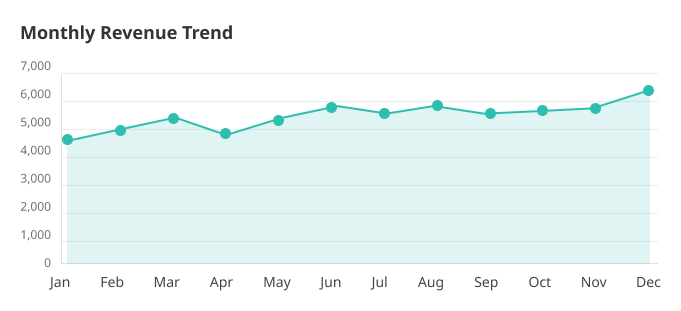
ERP analyzes past sales data to identify seasonal patterns, peak periods, and high-demand SKUs.
Predictive Analytics
ERP uses algorithms to adjust forecasts dynamically based on:
- Promotions
- Market trends
- External factors
Integration with Procurement
Forecasts inform purchasing decisions, ensuring suppliers can meet demand.
Real-Time Inventory Monitoring
ERP monitors stock levels to prevent shortages or overstock during peak periods.
Benefits for SME Distributors
ERP-driven forecasting supports both service levels and profitability during seasonal demand peaks.
Improved Stock Availability
Accurate forecasts ensure the right products are available at the right time.
Cost Optimization
ERP helps balance inventory investment against expected demand, reducing excess costs.
Enhanced Customer Satisfaction
Meeting seasonal demand reliably improves service levels and customer loyalty.
Strategic Planning
Data-driven forecasting enables proactive marketing, staffing, and logistics planning.
Integration With Other ERP Modules
- Inventory Management: Align stock levels with forecasted demand
- Sales: Adjust promotions and campaigns for seasonal trends
- Supplier Management: Ensure timely procurement and lead time optimization
- Analytics: Evaluate forecast accuracy and continuously improve models
Conclusion
ERP-based forecasting equips SME distributors to manage seasonal demand effectively. By leveraging historical data, predictive analytics, and integrated planning, distributors can reduce costs, prevent stockouts, and capitalize on high-demand periods.
Get a free painpoint assessment
Completing a 3-question survey is the first step we can help your business reach its full potential